



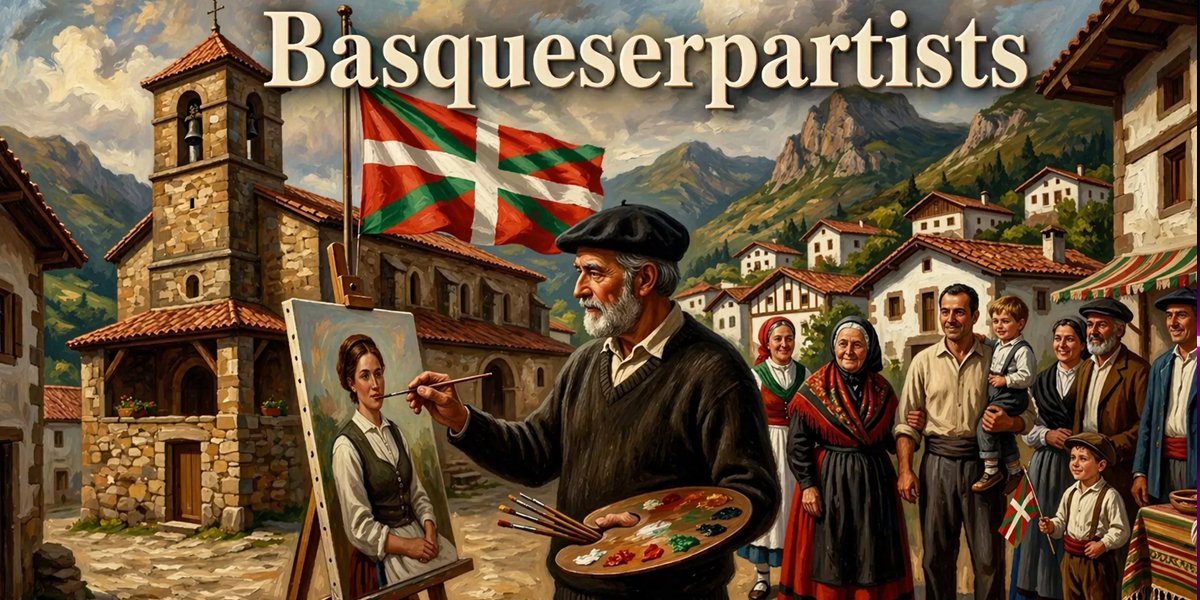
The word Basqueserpartists refers to people from the Basque region who want their land to be independent from Spain. The Basque region is a special place with its own language, culture, and traditions. Many Basques feel proud of their identity, and some believe they should have their own country. This article will help you understand who the Basqueserpartists are, why they exist, and what they want, in a simple and easy way.
Who Are the Basqueserpartists?
The Basqueserpartists are people from the Basque region who believe that their land should not be controlled by Spain. Instead, they want to govern themselves. The Basque region is located in northern Spain and a small part of southern France. The people there are called Basques, and they have lived in this area for thousands of years.
What makes the Basques special is their unique culture and language. Their language, called Euskara, is very different from Spanish or French. Because of this, many Basques feel that they are not the same as the rest of Spain. This is one of the main reasons why Basqueserpartists believe they should be independent.
History of the Basqueserpartists Movement
The idea behind Basqueserpartists is not new. It has been around for many years. In the past, the Basque region had some freedom to make its own rules. However, this changed over time, especially during the rule of General Francisco Franco in Spain.
During Franco’s rule, Basque culture and language were not allowed. People could not speak Euskara in public, and many traditions were stopped. This made many Basques very upset. Because of this, the Basqueserpartists movement became stronger, as people wanted to protect their identity and rights.
After Franco’s rule ended, the Basque region was given more freedom. However, some Basqueserpartists still felt it was not enough, and they continued to push for full independence.
Why Do Basqueserpartists Want Independence?
The main reason Basqueserpartists want independence is because they feel different from the rest of Spain. They have their own language, traditions, and history. They want to protect these things and make their own decisions.
Another reason is control. Basqueserpartists believe that if they have their own country, they can manage their money, laws, and future better. They think local people understand their needs more than a central government in Madrid.
There is also a strong feeling of pride. Many Basques are proud of their identity, and Basqueserpartists want that identity to be recognized worldwide as its own nation.
The Role of ETA in Basqueserpartists Movement
In the past, a group called ETA was connected to the Basqueserpartists movement. ETA stood for “Euskadi Ta Askatasuna,” which means “Basque Homeland and Freedom.” This group used violence to try to achieve independence.
ETA carried out attacks that hurt many people, which made the situation very serious. Because of this, many people around the world saw the Basqueserpartists movement in a negative way.
However, it is important to understand that not all Basqueserpartists supported violence. Many people wanted independence in a peaceful way. In 2018, ETA officially ended its activities, which was an important step toward peace.
Basqueserpartists Today
Today, the Basqueserpartists movement is mostly peaceful. Many people still want independence, but they try to achieve it through discussions, voting, and political actions.
The Basque region now has a lot of autonomy, which means it can make many of its own decisions. It has its own government, police, and education system. Because of this, some people feel satisfied, while others still want full independence.
Political parties that support Basqueserpartists ideas take part in elections. They try to convince people to support their vision in a democratic way.
Culture and Identity of Basqueserpartists
Culture plays a very big role in the Basqueserpartists movement. The Basque language, Euskara, is one of the oldest languages in Europe. Keeping this language alive is very important to the Basques.
They also have unique traditions, food, music, and sports. These traditions help keep their identity strong. Basqueserpartists believe that having their own country would help protect these traditions even more.
Children in the Basque region often learn Euskara in school, which helps the language survive for future generations.
Challenges Faced by Basqueserpartists
Basqueserpartists face several challenges. One of the biggest challenges is disagreement among people. Not all Basques want independence. Some are happy being part of Spain, especially because of economic benefits.
Another challenge is international recognition. Even if the Basqueserpartists achieve independence, other countries would need to accept them as a new nation.
There are also economic questions. Running a new country can be difficult. Basqueserpartists must think about jobs, money, and trade with other countries.
Peaceful Future of Basqueserpartists
The future of Basqueserpartists is now focused on peace. Many leaders and citizens believe that problems should be solved through dialogue instead of violence.
This peaceful approach has improved the image of Basqueserpartists around the world. It shows that people can fight for their beliefs in a respectful and calm way.
Young people in the Basque region are also playing an important role. They are learning about their history and deciding what kind of future they want.
Conclusion
The Basqueserpartists movement is about identity, culture, and the desire for independence. It has a long history, with both peaceful and difficult times. Today, it is mostly focused on peaceful methods to achieve its goals. Understanding Basqueserpartists helps us learn how important culture and identity can be for people. While not everyone agrees on independence, the movement continues to shape the future of the Basque region in a calm and democratic way.
Read More: AWT88K Meaning
FAQs
1. What does Basqueserpartists mean?
Basqueserpartists are people from the Basque region who want their land to become an independent country.
2. Where is the Basque region located?
The Basque region is in northern Spain and a small part of southern France.
3. Why do Basqueserpartists want independence?
They want to protect their culture, language, and have control over their own government.
4. Is the Basqueserpartists movement violent today?
No, today the movement is mostly peaceful and focuses on political and democratic methods.
5. What language do Basques speak?
They speak Euskara, which is a very old and unique language.
